Motor and drive train
The contractor listens for humming, grinding, or squealing, then checks the motor capacitor where applicable, internal gear kit, sprocket, belt or chain condition, and mounting stability.
Serving San Bernardino, California & surrounding areas
Calls answered around the clock
Describe what the opener is doing once, and we'll connect you with a local San Bernardino contractor who repairs and replaces openers every week.
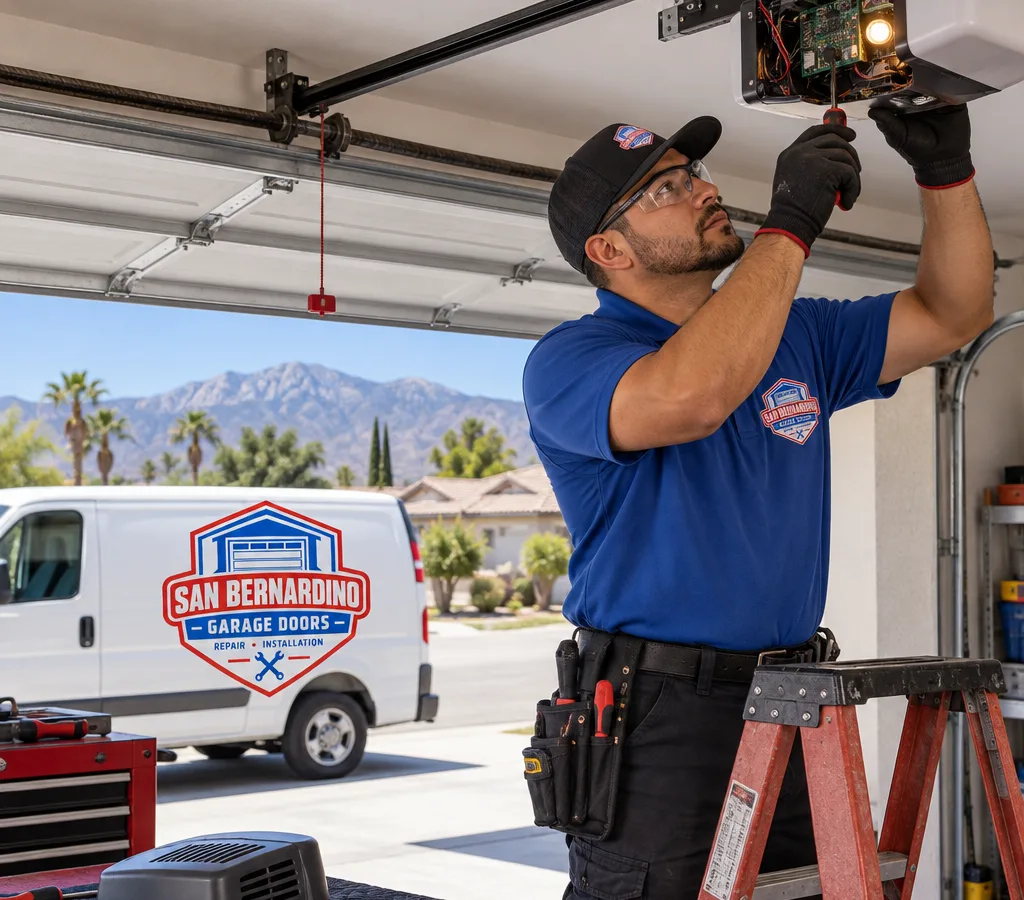
Garage door opener problems usually show up as a door that won't move, a motor that hums without lifting, a door that reverses, or a remote and wall button that suddenly stop working. In San Bernardino, many homes have heavier doors—often insulated or reinforced for heat and noise control—so a worn drive system or tired motor can cause jerky travel, hesitation, or intermittent operation.
This service covers garage door opener repair for chain, belt, and screw-drive units, along with smart and automatic systems. San Bernardino Garage Doors is a referral service: you describe what you're seeing and hearing, and we connect you with a local contractor who handles opener troubleshooting, garage door motor repair, and replacement when repair no longer makes sense.
A good diagnosis separates three look-alike problems:
A door that is stuck, off-track, or unusually heavy to lift by hand may need door repair as well as opener work. The contractor can narrow down which part of the complete system is at fault.
Safe checks you can make now:
Avoid pulling the emergency release if you suspect a spring problem. The contractor can confirm the door's balance and whether the opener is being asked to do more than it should.
The contractor listens for humming, grinding, or squealing, then checks the motor capacitor where applicable, internal gear kit, sprocket, belt or chain condition, and mounting stability.
They confirm the door travels the correct distance, then adjust limits and force so it closes fully without pushing into the floor or reversing unexpectedly.
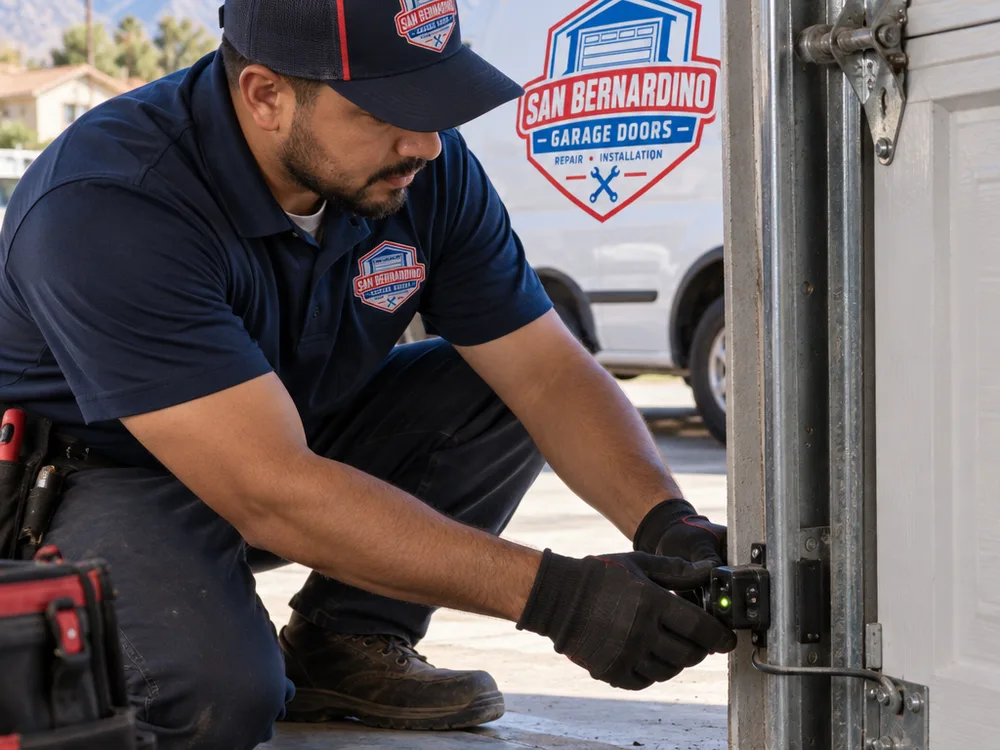
They verify photo-eye alignment, clean the lenses, and check for staple damage, loose connections, or corroded low-voltage terminals that can cause intermittent operation.
They check whether the springs properly counterbalance the door. A door that feels heavy by hand can burn out an opener or strip gears even when the opener is new.
They reprogram remotes and keypads, check lock or vacation settings, and confirm Wi-Fi pairing for smart opener installation or re-setup after a router change.
Describe what happens when you press the wall button or remote, any sounds you hear, and whether the opener lights blink. We use that information to connect you with a local contractor who handles opener work.
The contractor checks the opener, sensors, and mechanical condition of the door to determine whether the problem calls for opener repair, a wiring or control fix, or a door-balance correction.
You may hear options such as gear kit or sprocket replacement, motor-related repairs, logic board replacement, or full opener replacement when parts are obsolete or the unit is at the end of its useful life.
After the work, the contractor cycles the door, checks safety reversal and sensor operation, and helps you verify the remotes, keypad, and any smart-app controls.
If your opener is straining, stalling, or ignoring the remote, describe what it's doing once and get connected with a local contractor who can take it from diagnosis to repair or replacement.
CALL NOW: (909) 495-6900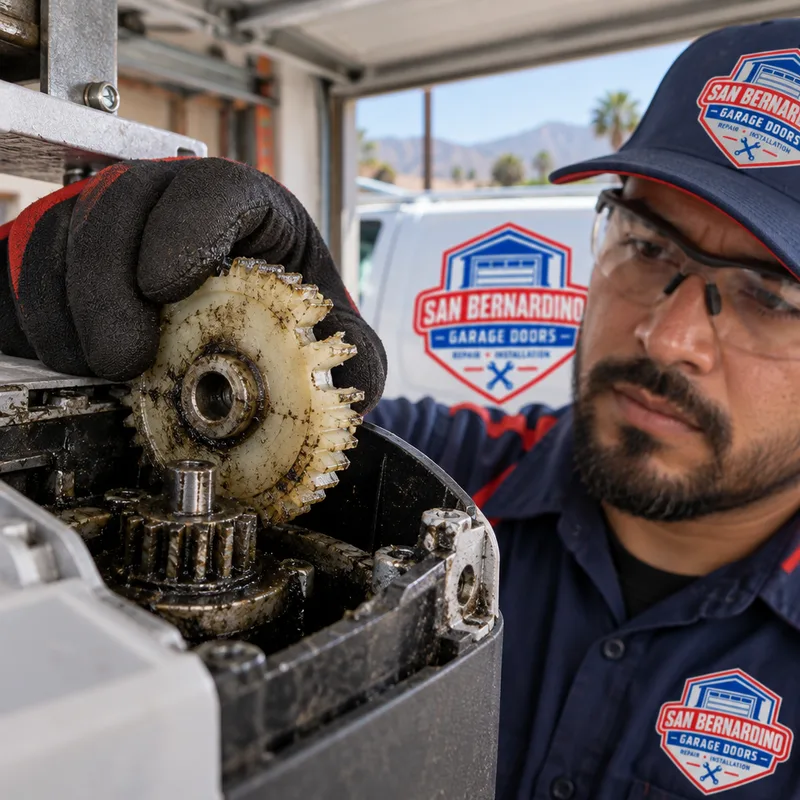
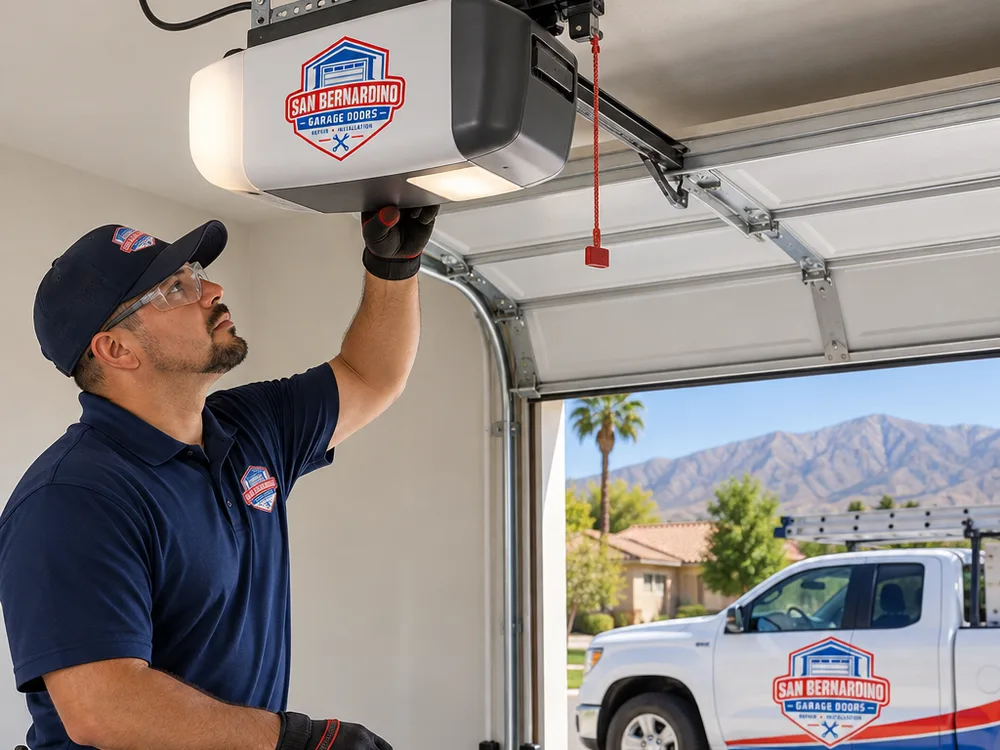
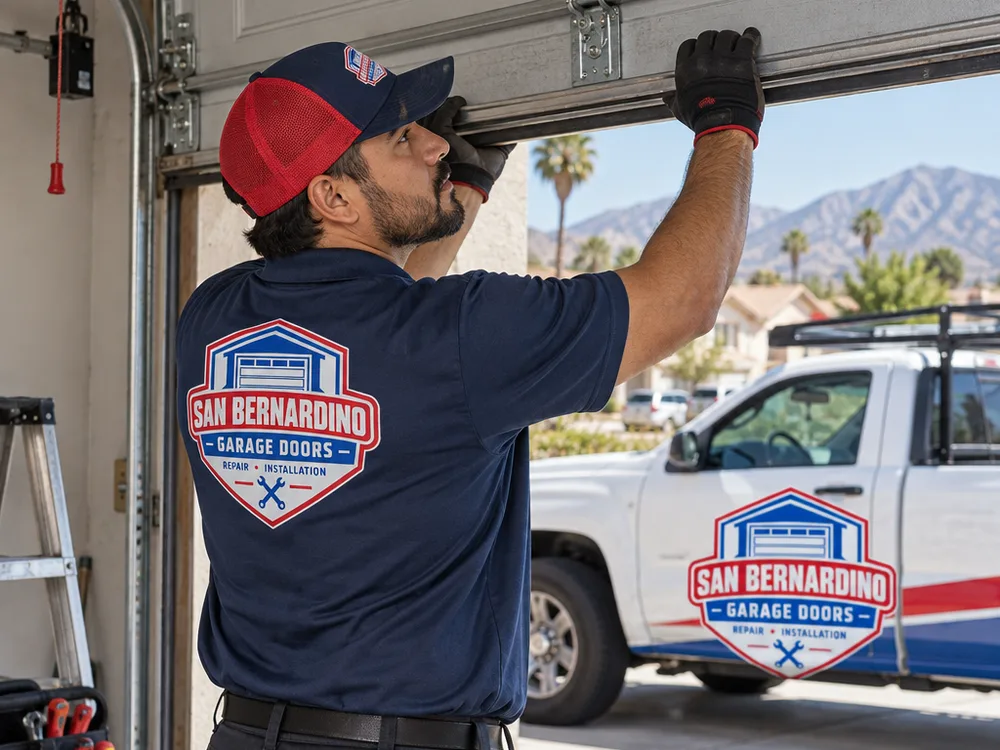
If the opener has power but cannot lift the door after the door is confirmed balanced and moving smoothly by hand, the motor or drive components may be failing and replacement becomes more likely. Contractors also weigh parts availability for your model and whether several components are failing at once.
Common causes include a stripped gear kit, failed start capacitor on certain units, or jammed sprocket or drive mechanism. A contractor will also check for a locked trolley, an engaged manual door lock, or a door binding badly enough to prevent the lift from starting.
It can come from the opener settings or safety sensors, or from a door issue that increases resistance near the floor. The contractor typically checks photo-eye alignment and travel and force settings before looking for track obstructions, roller wear, or a door that is out of square.
Have the opener brand and model from its label, the drive type—chain, belt, or screw—and a clear symptom description. Note whether the wall button and remotes work and whether the safety sensor lights are steady or flickering.
Often, yes, using either a compatible built-in Wi-Fi opener or an add-on controller, depending on the model and safety-sensor compatibility. The contractor will confirm that the opener supports the required sensors and that the door is mechanically sound before adding smart controls.
It is usually better to stop cycling the door repeatedly once you notice straining, grinding, or inconsistent movement. Continued use can strip gears further, overheat the motor, or pull the door out of alignment if there is a hidden mechanical problem.
You talk to the contractor directly. San Bernardino Garage Doors connects your call to a local contractor who handles garage door opener repair, and you decide whether to move forward after discussing the situation with them.
Pick up the phone and describe what your garage door opener is doing. We'll connect you with a local San Bernardino contractor who can troubleshoot the motor, controls, and door interaction, then walk you through repair or replacement options.